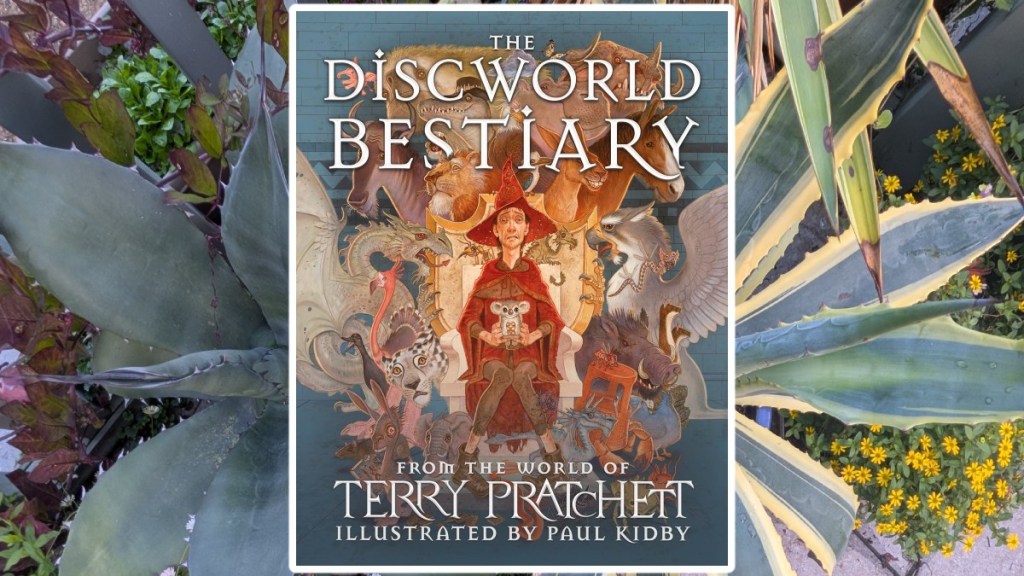
I always approach these new Terry Pratchett releases with a degree of caution. Pratchett famously asked for all his unpublished works to be destroyed, so they couldn’t be released after his death. Understandably, his publishers are always looking to extend their revenue streams his legacy, and so we get books like Designing Terry Pratchett’s Discworld and now, The Discworld Bestiary. (Another worthy mention is the pieced-together old newspaper columns that appeared as A Stroke of the Pen)
Fortunately, both are excellent, though Designing Discworld is the stronger of the two. Nevertheless, if you are a Pratchett fan, you’ll find lots to love about the bestiary too.
Growing Information:
Plant With: Discworld, Art, GOAT status.
Grows Into: A wonderful journey through the fauna of Discworld via the gorgeous illustrations of Paul Kidby
Rating: Hardy Perennial 🌻🌻🌻 (Check here for rating information.)
Available now in hardback (affiliate link).
Many thanks to the publisher for sending me a copy of the book for review.
The Review:
I’d be the first to admit that I am getting a little long in the tooth these days. It’s been a very long time since I read any Terry Pratchett. I did reread the original Rincewind duology a few years ago, as part of an aborted attempt to reread Sir TP’s back catalogue. Sadly, I just didn’t have the time, and while I’d still love to do that reread, I suspect that I’m probably never going to.
My knowledge of Discworld and its denizens is, therefore, not as strong as it could be. This fact will help me get out of the way what I think is wrong with the book before I move on to what I enjoyed about it.
There is no index. There is a contents page but no alphabetical list. No easy way to look things up. Perhaps this doesn’t matter, but it was the first thing I looked for, and discovered its absence. There is also no easy way to cross-reference which works the creatures have been in. Some animals I know and can remember from the books, some I don’t and so have no recollection of. Quite a lot of the creatures fall somewhere in the middle.
For these that some sort of reference would have been useful. A memory jogger to look up a particular book and see what creatures were in it. I have no chance of remembering a creature if it was in Going Postal because I haven’t read it, but if it was in Pyramids, it might help me remember it if I could look up which creatures were in Pyramids.
One other small gripe is that it’s not clear if the text in the book is Sir Terry’s or whether it’s been written by somebody else. All the illustrations are by Paul Kidby; I know this because it says “illustrations by Paul Kidby” on the front cover.
The cover also says “From the world of Terry Pratchett,” which leads me to believe that somebody else wrote the text, or at least some of it. At the very least, the introductions and afterword, which are set up as being written by Rincewind. It would be nice to know who, if anybody, supplied any extra text, and which bits of text about the animals were direct quotes from Terry’s books.
This all makes me sound like a bit of a negative Nanny (Ogg), which is not my intention, because much like Designing Terry Pratchett’s Discworld, this is a great way to look at Discworld from a different angle, and I very much enjoyed reading it.
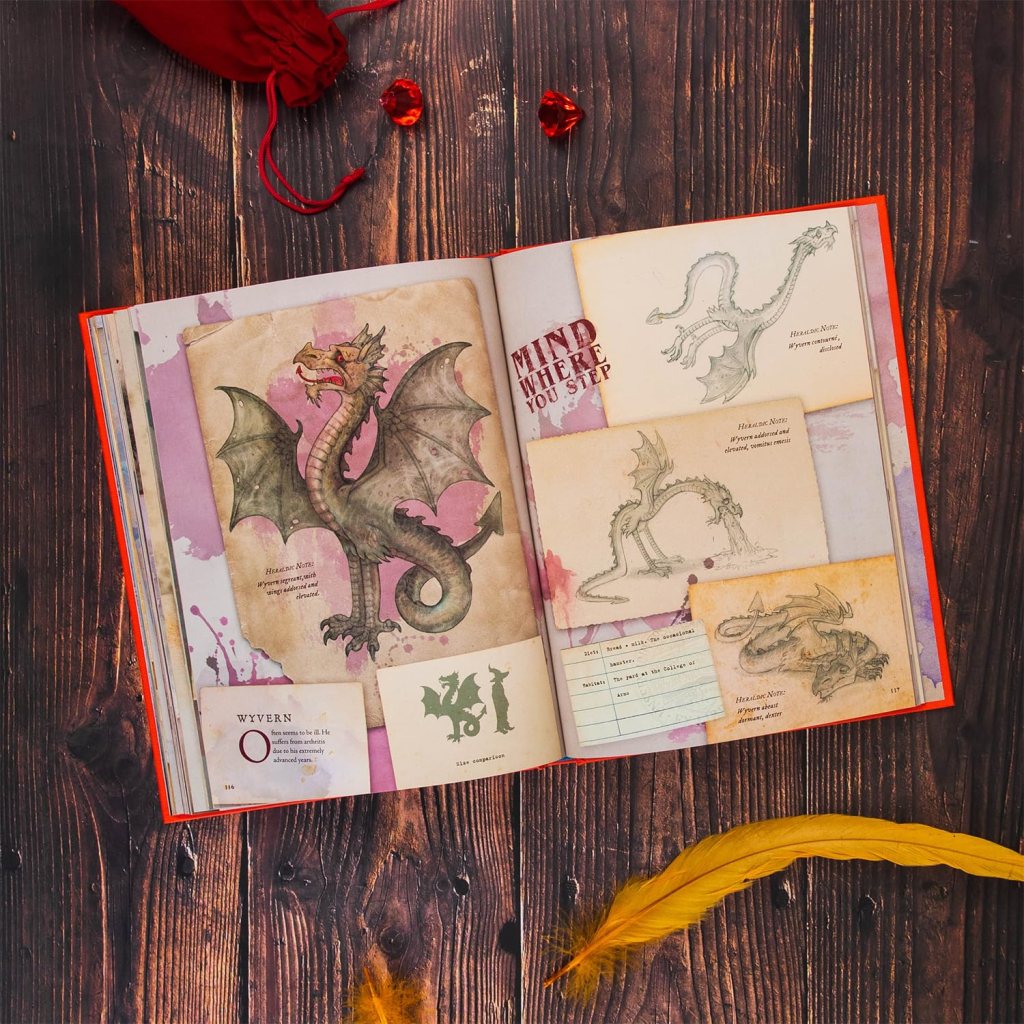
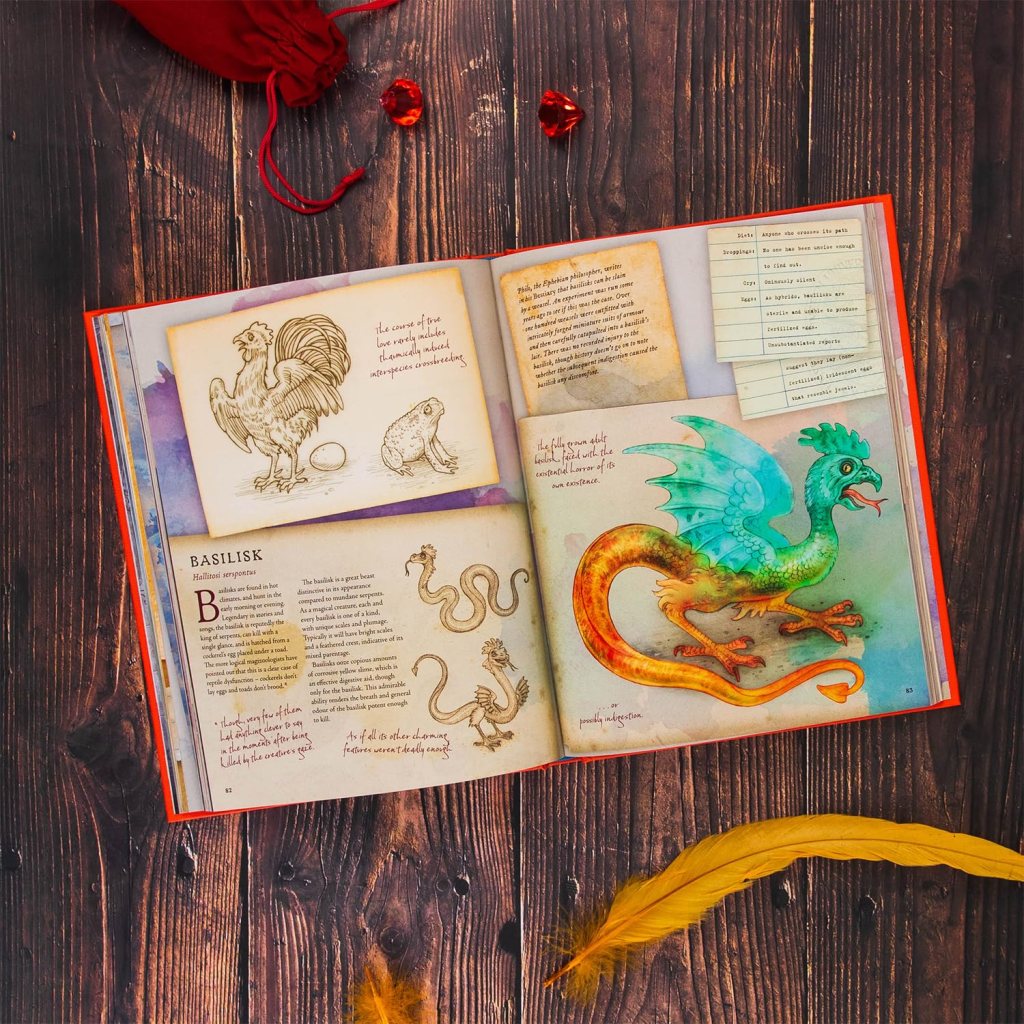
I’ve never really stopped to think about the fauna of Discworld. They usually filled a narrative role or provided a joke, but then I usually forgot about them. When these animals and creatures have been across 40+ books, you’ve got an entire menagerie on your hands.
A very funny menagerie, that’s ripe for exploration. The text of the bestiary is laugh-out-loud funny in places. It is very Discworld, with that similar laconic, slightly knowing humour. It feels like Pratchett wrote it, even if maybe he didn’t. I’d prefer to think that he did, but I’m impressed by whoever captured his tone if this isn’t the case.
The book is presented as a catalogue by Rincewind, who once again has drawn the short straw at the Unseen University, and been asked to collate all of the Disc’s fauna. As you can imagine, there is a lot of comment on the relative dangers of each creature.
It probably goes without saying, but I’ll say it anyway, that Paul Kidby’s illustrations are excellent throughout. His art complements Terry’s words so well, and the love and care he takes with his illustrations is evident throughout.
The book opens with the star turtles and world elephants before moving on to the rest of Discworld’s creatures, whether they be “real,” fantastic or metaphysical. I hadn’t realised how many animals Sir Terry had created.
Is this an essential purchase? Arguably not. It doesn’t have the multi-dimensional appeal that Designing Discworld does, but if you have enjoyed even just a handful of the Discworld books you’ll find lots to entertain you here. If, like me, you’re a lapsed Pratchett fan, it will definitely make you want to dive back into the back catalogue, with a fresh perspective on all the creatures of Discworld.


Leave a Reply